Share this post:
How Quality Lab Casework Supports High School Science Programs
July 1, 2026
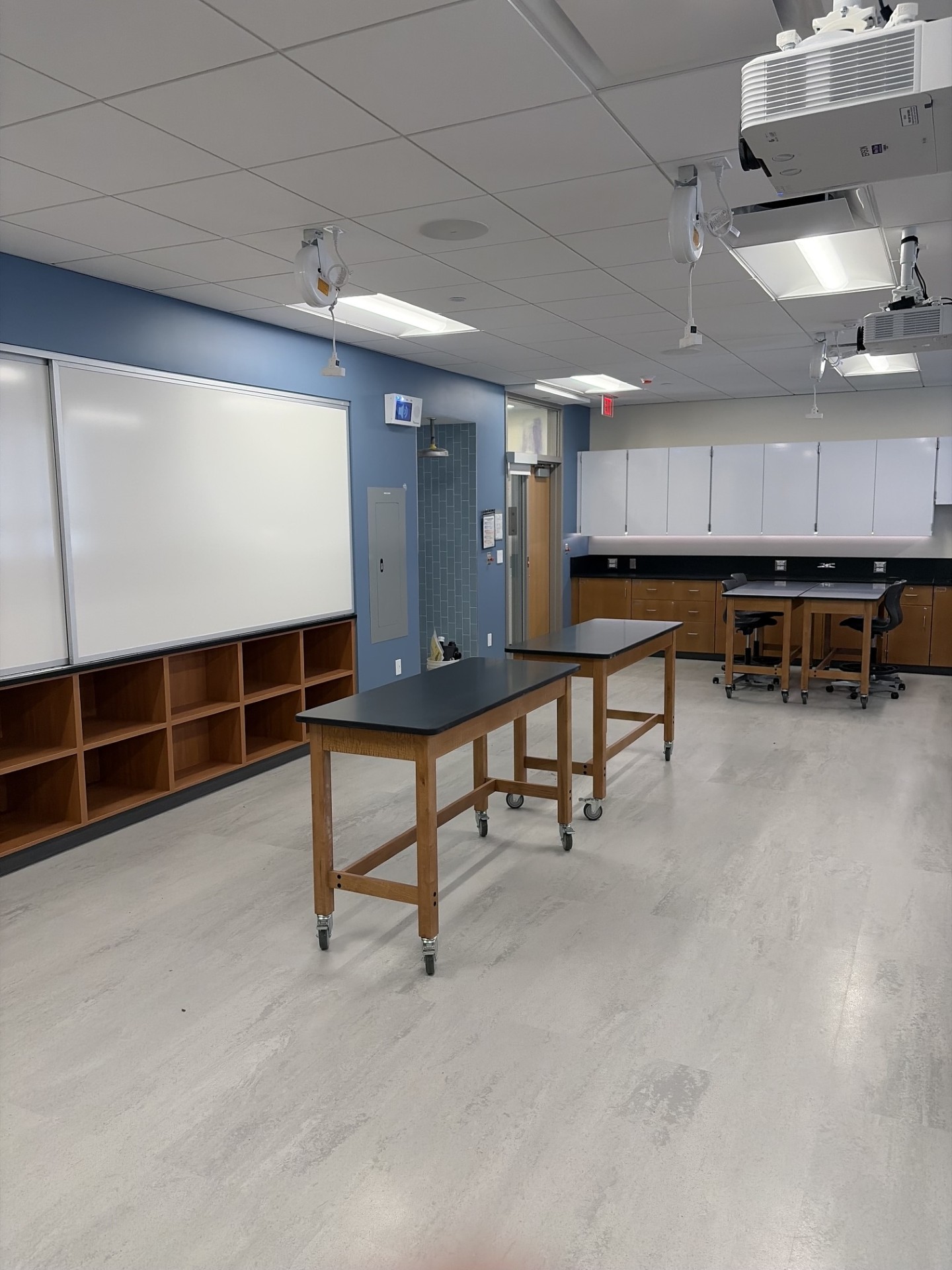

As high school science curriculums evolve to include more advanced chemistry, biology, and physics, the physical environment where students learn must adapt as well. High school science programs require more than just standard classroom furniture; they demand specialized laboratory casework that can support rigorous academic exploration, hands-on experimentation, and strict safety standards.
At Larson Equipment & Furniture Company, we see this transformation firsthand—most recently highlighted by our team completing a state-of-the-art high school science department installation. Projects like this demonstrate how investing in high-quality lab casework creates an environment where future scientists, engineers, and researchers can thrive. Here is a look at how professional-grade lab casework supports and elevates high school science programs.
Unlike introductory middle school science classes, high school science programs frequently involve the use of heat, corrosive chemicals, and complex laboratory equipment. Standard tables and residential-grade cabinetry cannot withstand this level of wear and tear.
Professional lab casework is built using highly durable, chemical-resistant materials such as epoxy resin, phenolic resin, and high-pressure laminates. These surfaces prevent damage from chemical spills, resist thermal shock from Bunsen burners, and eliminate the risk of moisture absorption. By providing a stable, non-porous surface, quality casework ensures a safer environment for students performing advanced experiments.
High school science classrooms require an extensive inventory of specialized equipment, from compound microscopes and spectrophotometers to glassware, hot plates, and safety gear. Without proper storage, classrooms quickly become cluttered, creating safety hazards and disrupting the learning process.
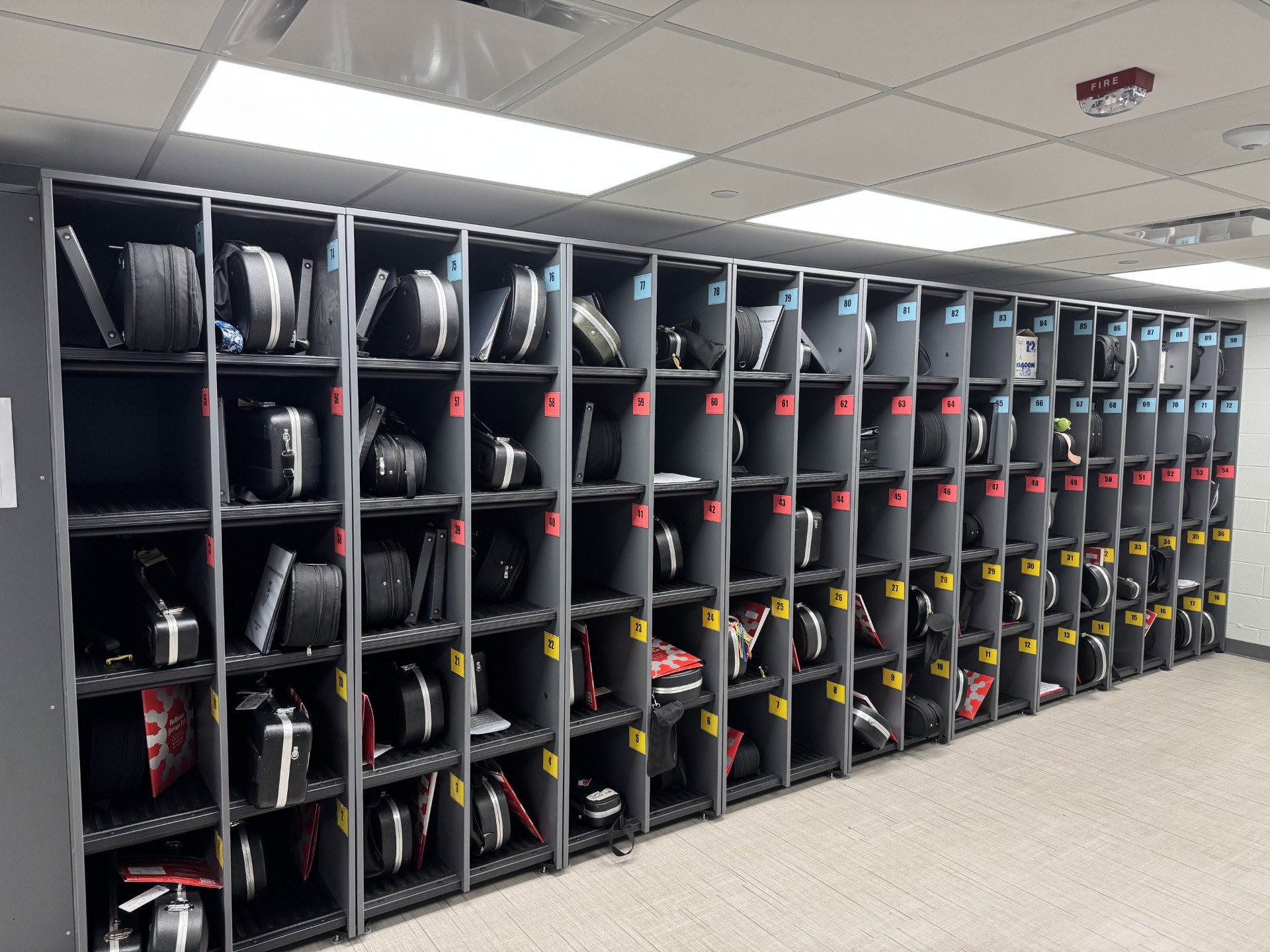
Customizable lab casework—including base cabinets, wall-mounted units, and specialized mobile carts—allows schools to maximize their available footprint. Dedicated storage compartments ensure that delicate equipment is housed securely when not in use, protecting the school's financial investments and keeping workspaces clear for active student collaboration.
Modern STEM education places a heavy emphasis on collaborative problem-solving and real-world application. Fixed, traditional rows of desks can isolate students and limit the scope of group lab work.
Integrating modern casework configurations, such as modular lab islands and height-adjustable workstations, allows educators to transition seamlessly between lecture formats and group activities. Furthermore, by mirroring the layout and functionality of university and professional research laboratories, high school science programs give students a head start, building familiarity and confidence as they prepare for higher education and future careers in STEM.
Contact our sales team today!

.png)