Share this post:
What Education Space Planning in Illinois Looks Like in Small Schools
January 27, 2026


Small schools in Northern Illinois have a different way of approaching how space is used in their buildings. Classrooms do not just need to look right, they need to work right for a range of students and activities, especially coming off the winter months and stepping into early spring. That is where flexibility comes into focus.
Education space planning in Illinois takes on its own shape in these kinds of schools. Limited square footage means there is no extra room to waste. Teachers and administrators are constantly figuring out how to use one space for multiple needs, and how to do it with the materials and layouts already in place. With spring on the horizon, now is when many of them take stock and look for practical changes that can carry their classrooms through the rest of the year.
The smaller the school, the more every room has to work for everyone. That means the typical space plan used for a larger district may not make much sense here, where one classroom might support multiple ages or subjects.
Often, a single teacher manages both group and individual work in the same space. That is where movable setups come in handy. Instead of rows of fixed desks, many classrooms have flexible layouts to separate learning stations or allow for one-on-one sessions.
We also see schools setting up areas for additional support without needing new construction. Some carve out room for speech therapy, occupational support, or small group interventions. These zones do not need four walls. They need some quiet, some purpose, and furniture that fits the routines already happening every day.
Smaller schools usually are not working with oversized rooms. Every piece inside has to earn its place and work a little harder. That is why multipurpose furniture makes such a difference. Whether it is a bench that stores supplies or tables that change height depending on the activity, the more a piece can do, the more useful it becomes.
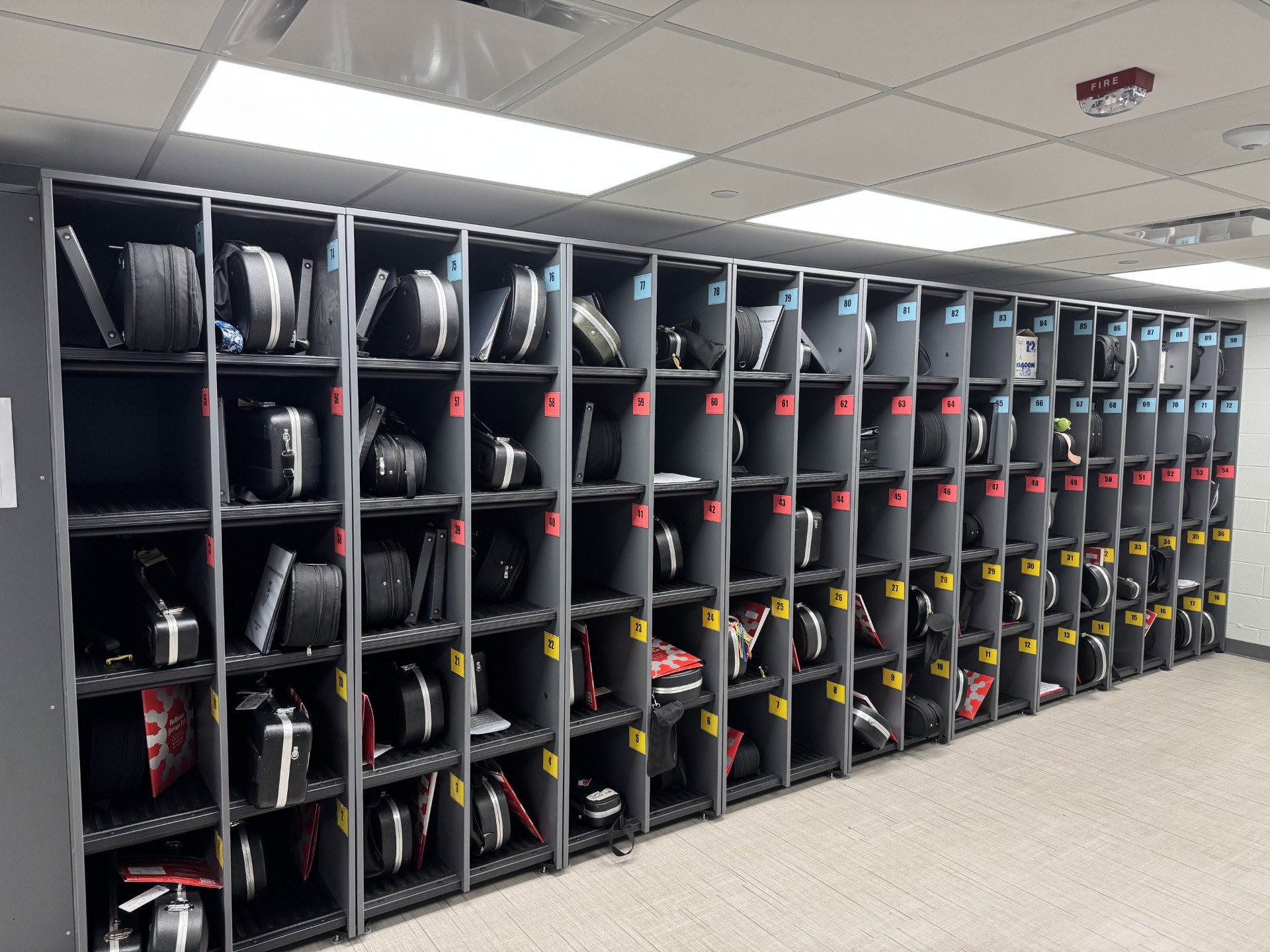
Storage is another big part of space planning. Instead of asking where new cabinets can go, more schools are asking how current storage can double as learning space. When shelves divide a room, or file drawers double as mobile workstations, rooms remain clear and usable for more than one task.
It helps when furniture is easy to move without needing two adults and a handcart. That way, a classroom can change for math at 10 a.m. and reset for art by 1 p.m. without stalling the whole day.
After months of indoor-heavy learning, wear and tear start to show. Chairs may wobble a bit more, tabletops might carry a few more scratches, and tiled floors may feel scuffed from months of boots and salt.
Winter is also the season when rooms feel most lived in, layers added, corners filled, and space tighter across the board. Once those cold months move toward spring, schools take stock of what needs to shift.
This is usually when teachers and staff start planning small upgrades or moves. Not the kind that require a full-scale renovation, but the kind that make April and May run better. Maybe a table needs to be replaced, or those soft floor zones need refreshing. Sometimes extra classroom materials from earlier months can finally be stored away, making more room for movement and group learning again.
No one knows how a classroom really works better than the people who use it every day. That is why small schools that plan their spaces well usually do it with heavy staff input. From teachers to aides to custodial staff, everyone sees the room from a different angle.
Staff walks are a simple but smart way to catch problem areas. Walking through a few classroom routines with staff opens up small changes that can make a big difference, like where students drop backpacks or how crowded a reading corner gets during different times of day.
After a reset happens, a quick training session on how to move or change certain layouts keeps those items working longer. If teachers can rearrange their space fast and correctly, that layout becomes part of the rhythm instead of a headache.
Small schools across Northern Illinois keep finding smart ways to use what they have. Whether it is through double-duty furniture, careful scheduling, or rethinking how space is shared, they are making more out of less without needing giant remodels to move forward.
By trusting the input of those who live in the space daily, and aligning small changes with the school calendar, they stay ready for what is next without losing learning momentum. Every improvement, even the small ones, helps frame a stronger space for students to learn and grow through every season.
At The Larson Equipment and Furniture Company, our team provides detailed space planning services to help schools maximize every square foot. We source furniture from leading manufacturers, which means options for both flexible layouts and long-lasting durability. After working with hundreds of districts across the region, we know how to match the right products and planning strategies to your school’s real needs.
When you need learning spaces that truly work for classrooms in Northern Illinois, our team understands what it takes to bring all the details together. From flexible layouts to furniture designed for evolving school schedules, making thoughtful updates can turn everyday classrooms into environments that support students and staff. Ready to enhance focus, encourage collaboration, and boost flexibility in your space? Discover how we support education space planning in Illinois with solutions for your school community. Connect with The Larson Equipment and Furniture Company to get started.
Contact our sales team today!

.png)