Share this post:
STEM Furniture for Schools That Helps With Project-Based Learning
June 2, 2026


Across Northern Illinois and the Chicagoland area, many teachers are adjusting their classrooms to make more room for hands-on, project-based learning. As we move into June, schools are looking beyond the final weeks of the school year and starting to think about what their spaces will need for summer programs and the new term in the fall.
This is a key time to look at how STEM furniture for schools can support student collaboration, problem-solving, and layout changes that come with science, tech, engineering, and math activities. Whether students are working in small groups or rotating through stations, the way furniture is planned makes a big difference in how learning feels day to day. It sets the tone for how active and engaged the classroom can be, helping everyone get the most out of each lesson.
STEM learning doesn’t always stay in one place. Group work, testing prototypes, or running short presentations all need movement. Fixed rows or heavy desks often get in the way of these kinds of lessons. Flexible seating and work surfaces make it easier to shift between group and solo tasks, giving students more chances to collaborate and share ideas without feeling crowded.
With fewer students around, June is the right time to move pieces around and see how the space can better match your teaching plans. You have the opportunity to explore what works and what feels awkward, making improvements before the busy fall season. Our Science, STEM, and STEAM lab furniture lines include mobile worksurfaces and reconfigurable seating designed to support collaborative learning and adaptability.
STEM work gets messy and busy fast, so tables need to be safe, durable, and easy to clean. They should be wide enough for shared materials but not so bulky they can’t be rearranged. Matching the seating to the table helps students stay focused and comfortable during longer activities, which is especially important during experiments or group builds.
If your school already runs after-school STEM clubs or programs during summer break, that’s a good time to watch how the current furniture works and note what’s missing. Sometimes, even small mismatches in height or comfort can affect how well students stay on task. We offer designs with writeable surfaces and chemical-resistant finishes, so furniture lasts longer in active labs and project spaces. Easy-to-clean features mean fewer worries about stains or messes, so projects can keep moving forward without interruption.
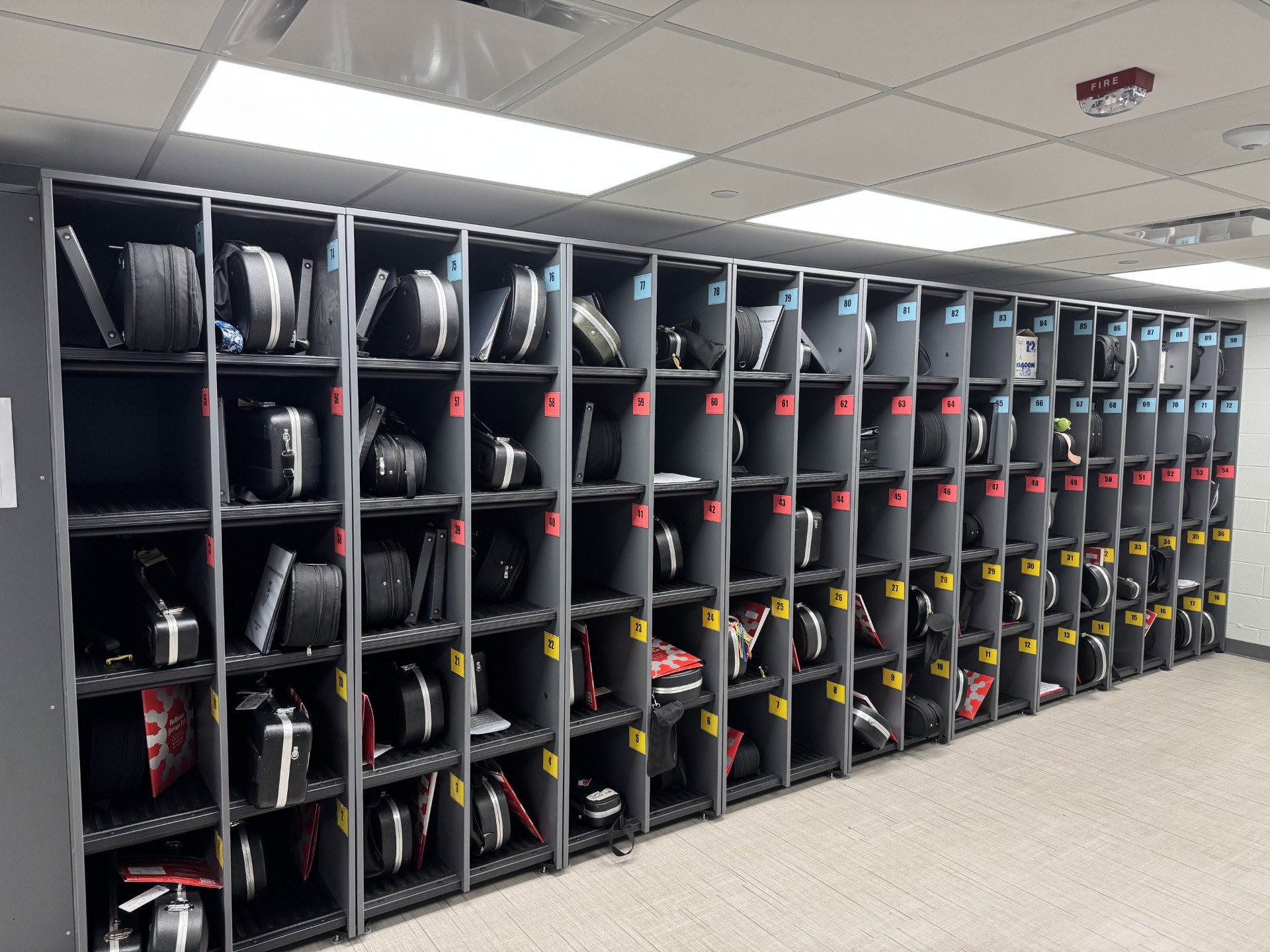
STEM classes often lose time when supplies are hard to reach. If students don’t know where tools are or need to ask permission every time, it slows down learning and limits independence. Organizing storage clearly helps students take the lead, and that starts with the furniture. The more accessible supplies are, the less time is lost to searching or repeated questions in the middle of active lessons.
When every student knows where things belong and how to get supplies without needing help, the whole classroom runs smoother. This helps encourage responsibility and teamwork, supporting a more efficient environment where students can jump right into projects. Mobile cabinetry and customized shelving systems help schools keep key materials accessible and organized for every stage of a project.
STEM projects today usually involve tech. Whether students are using tablets or building robots, they need furniture that supports both learning and safety. That goes beyond power strips and includes things like airflow, screen angles, and surface space. It’s important for students to be able to access technology easily, charge devices safely, and move equipment without causing cords to tangle or devices to overheat.
Since many classes share devices or rotate through hands-on labs, flexible tech furniture works best when it supports smart transitions between science, coding, and engineering tasks. Well-designed tech furniture provides enough outlets and cable management to keep the classroom neat and safe, supporting everything from quick demos to longer group work with robotics or software tools.
STEM furniture for schools needs to do more than look modern. It has to work across seasons, programs, and teaching styles. That can mean switching a classroom from project-based activities in June to lecture seating in August. The right mix of furniture lets teachers switch gears without a lot of hassle, helping classrooms adapt as schedules and priorities change.
As we move through summer and into early fall, now is the time for schools in Northern Illinois to rethink how their furniture supports the bigger shape of learning. By matching classroom furniture with student needs and teaching plans, we set up smoother days, stronger group work, and more meaningful STEM experiences, no matter what the season brings. Making even small adjustments in layout, storage, or seating can ripple through the entire school year, improving both student comfort and focus. When the learning space matches the way students think and move, everyone benefits.
Summer is the perfect opportunity for schools in Northern Illinois to rethink how classroom furniture can enhance active, hands-on learning. We help keep lessons flexible with furniture that supports group work, technology integration, and evolving teaching needs. Our options for STEM furniture for schools make it easier to manage storage, movement, and comfort, all while promoting student engagement. At The Larson Equipment and Furniture Company, we're ready to help you create learning environments that keep pace with your goals. Contact us today to start planning your next classroom setup.
Contact our sales team today!

.png)