Share this post:
School Hallway Lockers That Maximize Small Corridor Space
April 21, 2026


School hallways in Northern Illinois and the Chicagoland area tend to feel tighter as the school year hits late spring. Students move faster between classes, teachers shuffle from one end to the other, and even a little extra furniture or wall clutter can slow things down. That’s when the layout and design of school hallway lockers start to matter more than ever.
It’s not just about giving students a place to store jackets and bags. The shape, size, and placement of lockers can either make tight spaces work better, or make an already crowded hallway feel even smaller. Choosing lockers that fit narrow corridors without blocking movement can bring some real relief to everyday routines.
Not every building gives us the option to widen a hallway or carve out extra room, especially in older schools. Instead, we have to start with what we do have and make the most of it. That’s where slimmer locker units come in.
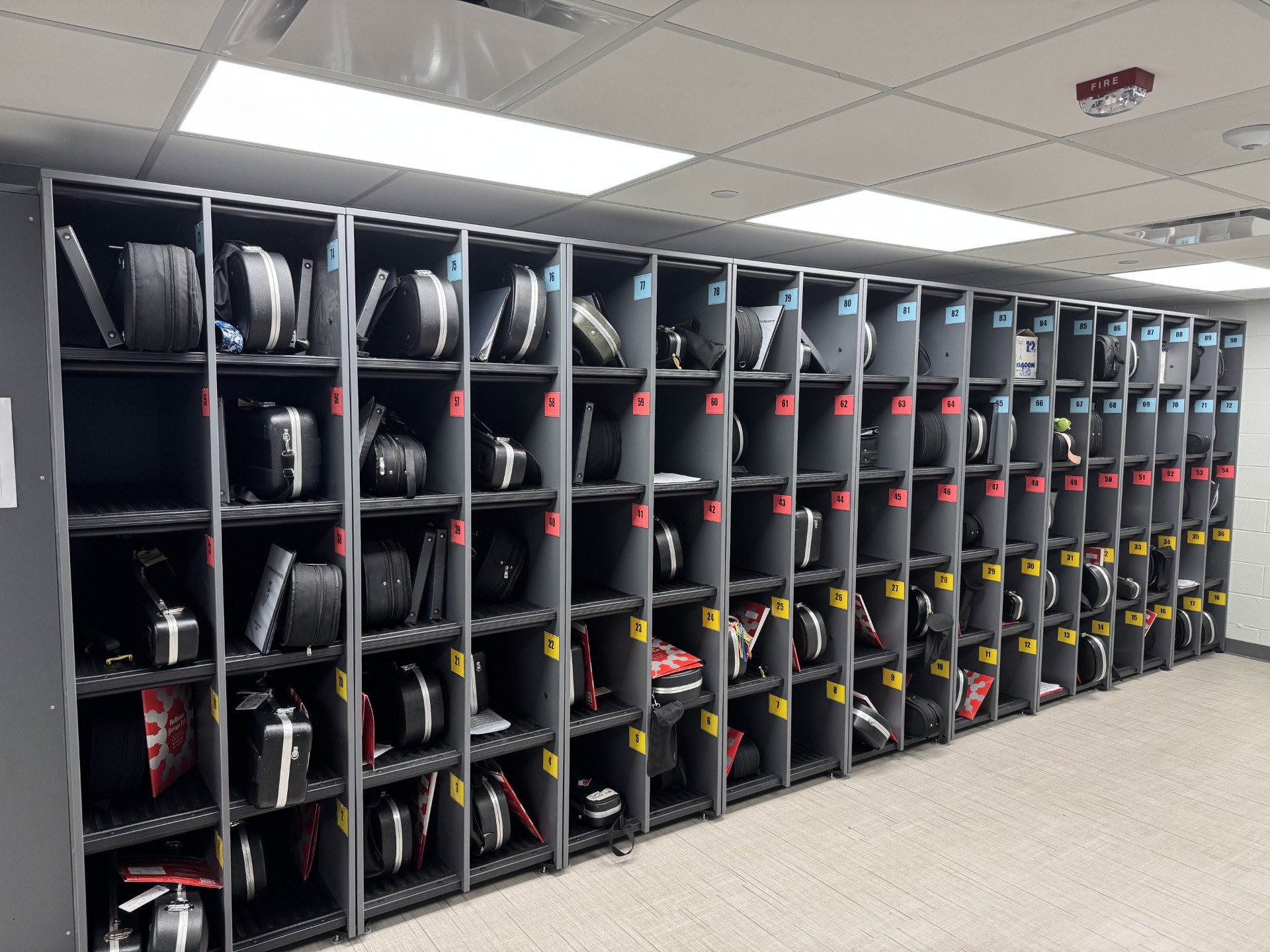
What matters here is finding the right balance. We don’t need to turn lockers into tiny cubbies that barely fit a backpack. But we can rethink how width and height are used so that students still get what they need without shrinking the walking space. Larson Equipment & Furniture Company offers locker options in a variety of configurations and sizes so every school can find the right fit for its layout and student needs.
Even the best-fitting lockers can cause problems if they’re not in the right spot. Locker placement plays a big role in how crowded a hallway feels during peak times.
A good locker layout supports the flow of a building, not just the dimensions of the corridor. With smart placement, even small hallways can stay calm during passing periods. Our team provides custom layout planning to optimize locker installation for your unique building challenges.
By the end of winter in Northern Illinois, most schools are still dealing with salt-stained boots and mud tracked in from thawing ice. That mess doesn’t stop at the floor. It ends up on the bottoms of lockers, on locker doors, and even inside the units themselves.
Durability matters more when space is tight, because it makes repair work harder. It’s better to have locker materials that can take consistent wear without slipping into disrepair. We help schools choose lockers with finishes and hardware designed for high-traffic environments and easy maintenance.
Function doesn’t have to equal more size. Some of the most helpful locker features don’t add extra inches but can still improve how students use the space.
In some buildings, shared lockers for clubs or storage groups allow flexibility while avoiding the need for extra rows. We’ve seen spacing work better when lockers serve more than one purpose without adding bulk.
April is a smart time to start thinking about fall changes, especially when hallway space needs adjusting. There’s still time to try small tweaks or plan for larger locker replacements without rushing.
Decisions made now can help free up classroom transitions next year, with less pushing and fewer delays between bells.
When school hallway lockers are set up right, they don’t just hold stuff, they support how people move. Locker size, shape, and layout should all work with hallway flow, not create new obstacles.
By thinking through locker styles that fit narrow spaces, placing them with walking patterns in mind, and picking strong materials, schools in Northern Illinois and Chicagoland can give students storage without hurting mobility.
Small changes add up. One more foot of space, one extra second saved between classes, and one less pinch point in the hallway can make the day a little less stressful for everyone.
Schools across Northern Illinois and the Chicagoland area can benefit from smarter storage solutions that support daily movement and keep busy hallways organized. We help you design efficient layouts using durable materials and noise-reducing features that stand up to everyday use. The right school hallway lockers can fit even the tightest spaces while maintaining function and flow. Contact The Larson Equipment and Furniture Company to start planning your improved hallway environment.
Contact our sales team today!

.png)